Origins and Adaptations:
Evolutionary History of the Tomato
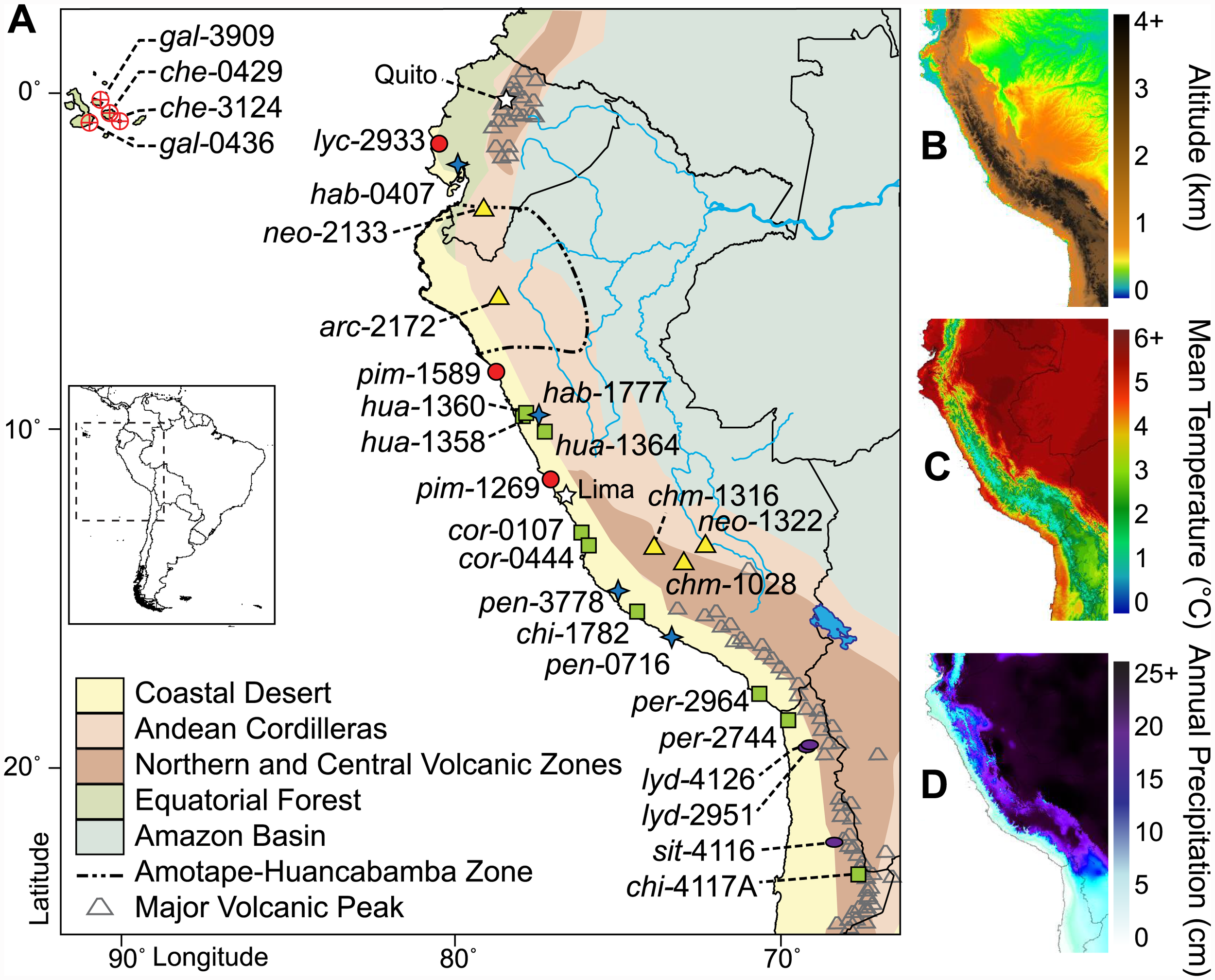
Tomatoes originated in Peru/Ecuador 80,000 years ago, and there are still wild relatives living there to this day (the little shapes on the map). The conditions plants evolve in tell you about what they are used to; for tomatoes, it's warm and relatively dry there with some variations. Click on image for link to source: Pease et al. (2016). Phylogenomics Reveals Three Sources of Adaptive Variation During a Rapid Radiation. PLOS Biology Journal.
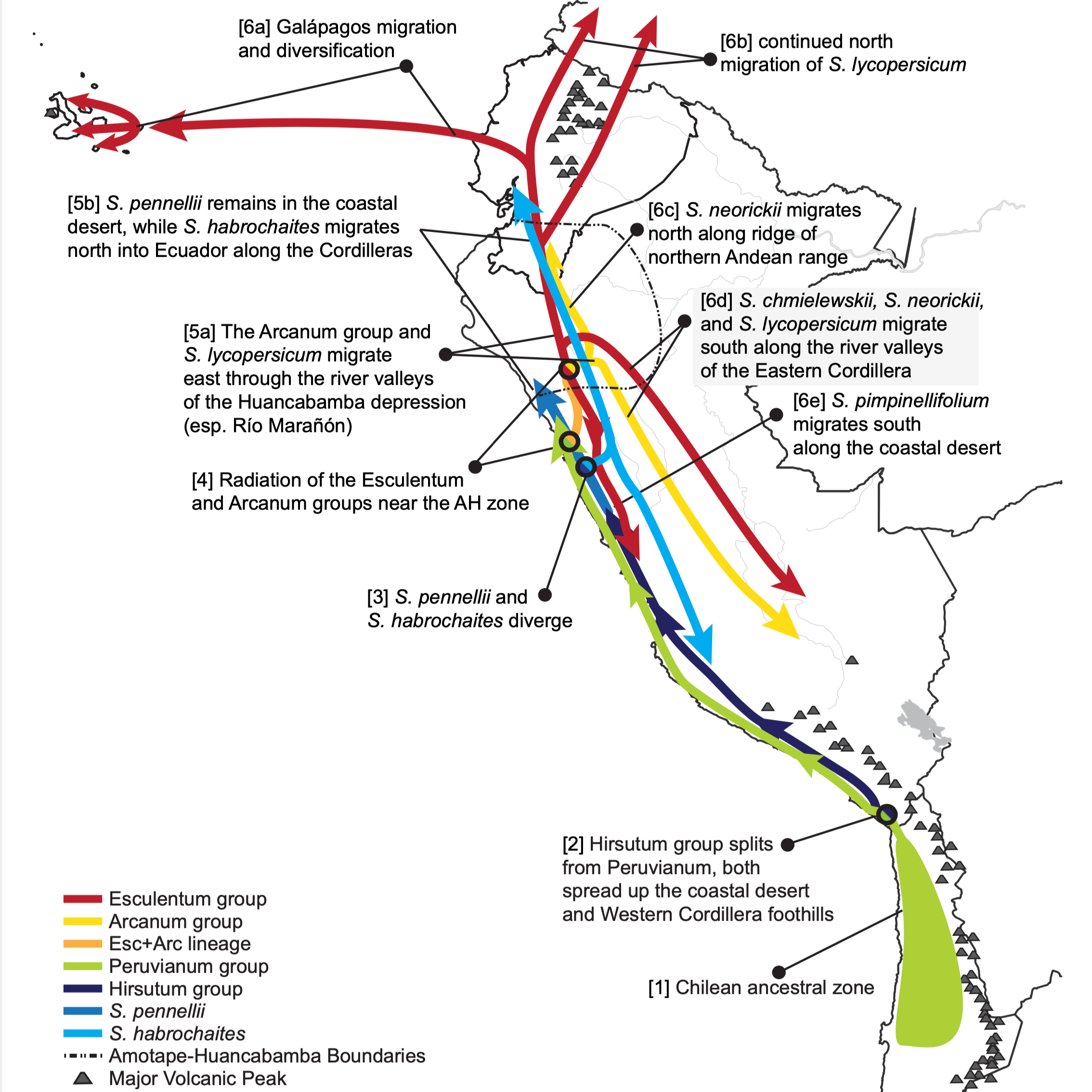
As the wild species migrated, they diverged and adapted to local conditions, creating new genes that could later be bred into modern tomatoes to offer them more diversity and resilience. Click on image for link to source: Pease et al. (2016). Phylogenomics Reveals Three Sources of Adaptive Variation During a Rapid Radiation. PLOS Biology Journal.
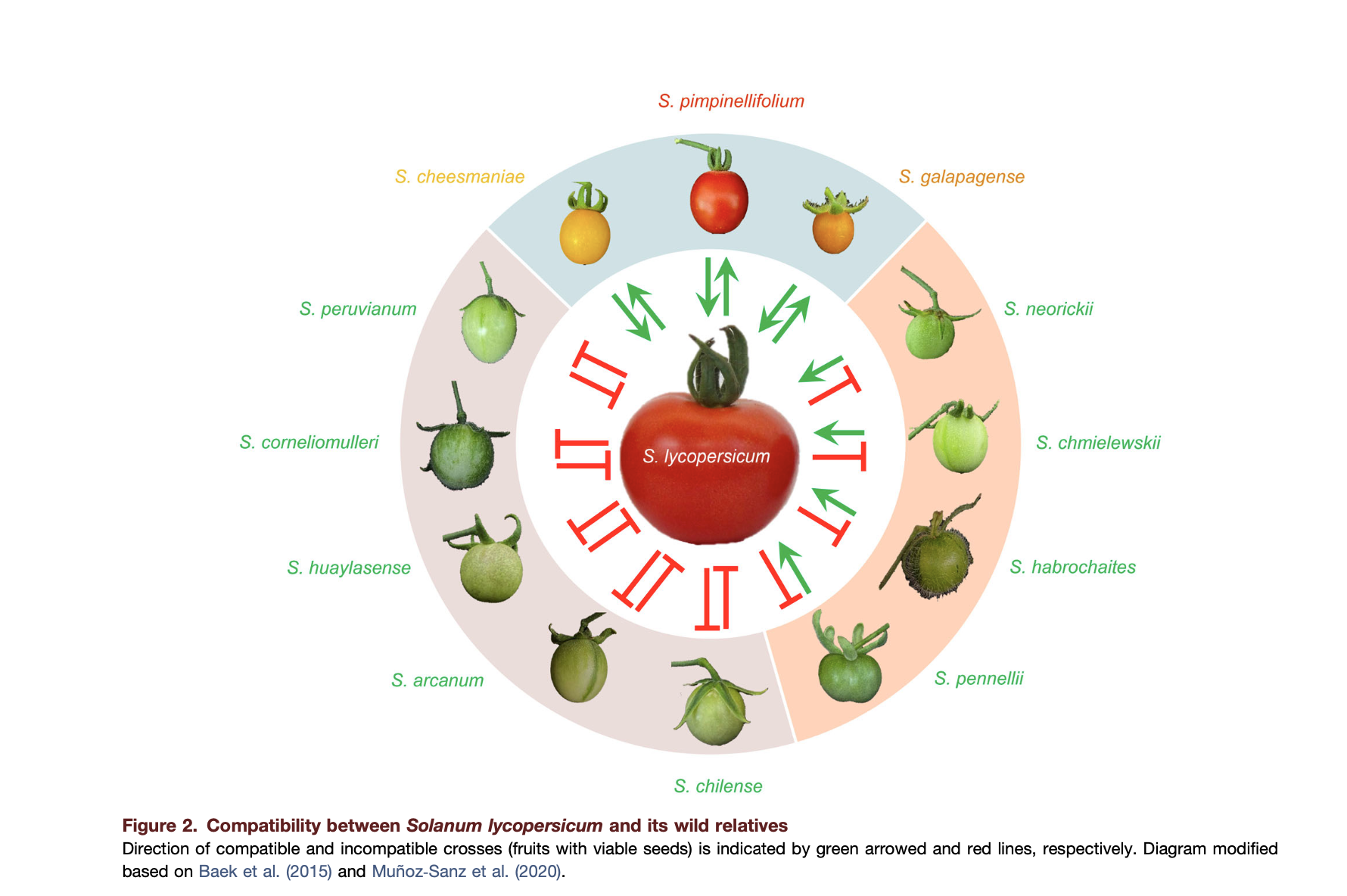
This is what the fruit of many of those wild relatives look like, and the arrows show whether that species is able to interbreed with the tomato (Solanum lycopersicum). The closest relatives are the three on top. All tomatoes are derived from Solanum pimpinellifolium (Currant Tomato). Click on image for link to source: Du, M. et al. (2025). Molecular breeding of tomato: Advances and challenges. J. Integr. Plant Biol. 67: 669–721.
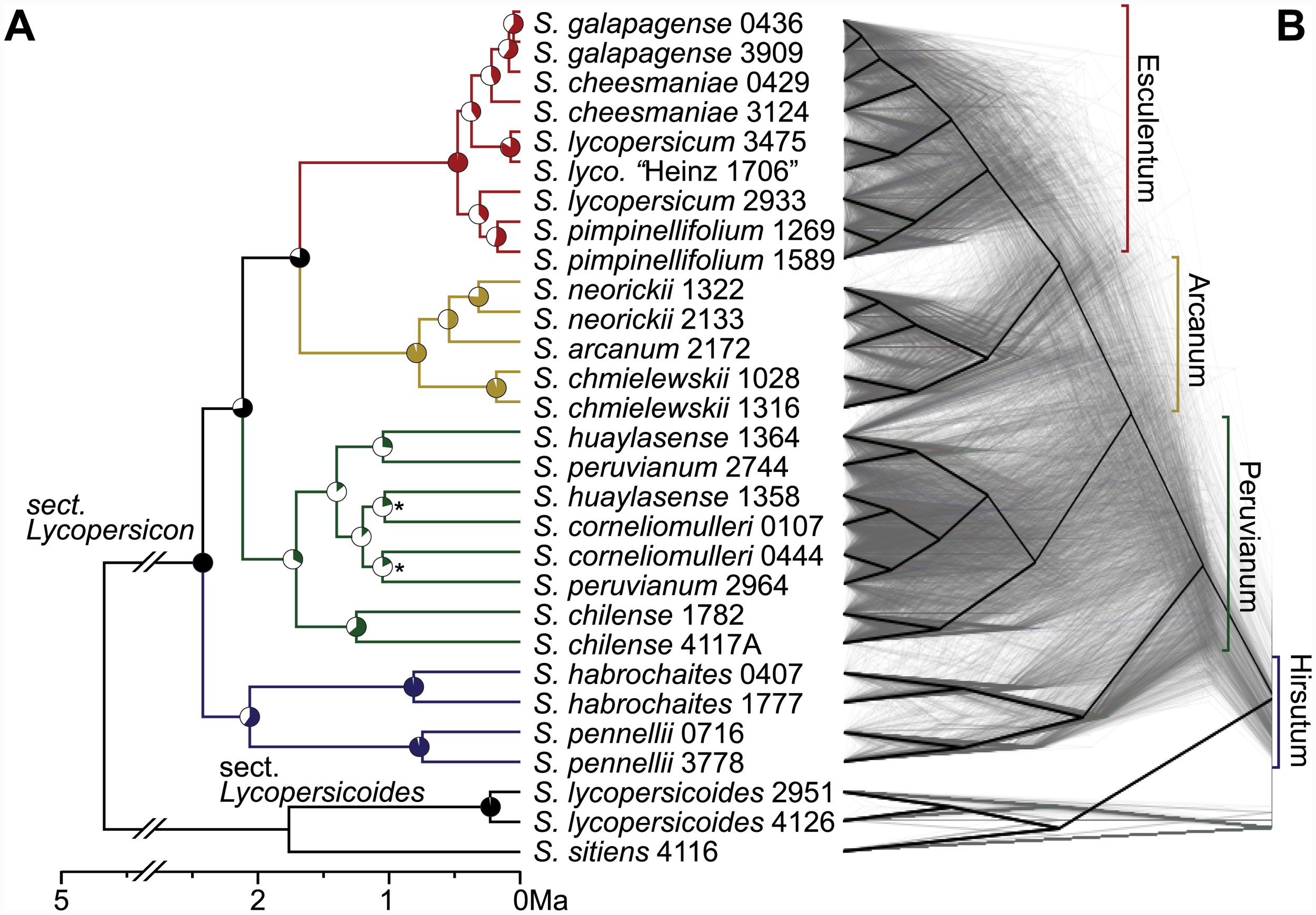
Tomatoes are related to other species of Solanums, some more closely related and able to interbreed with tomatoes. Click on image for link to source: Pease et al. (2016). Phylogenomics Reveals Three Sources of Adaptive Variation During a Rapid Radiation. PLOS Biology Journal.
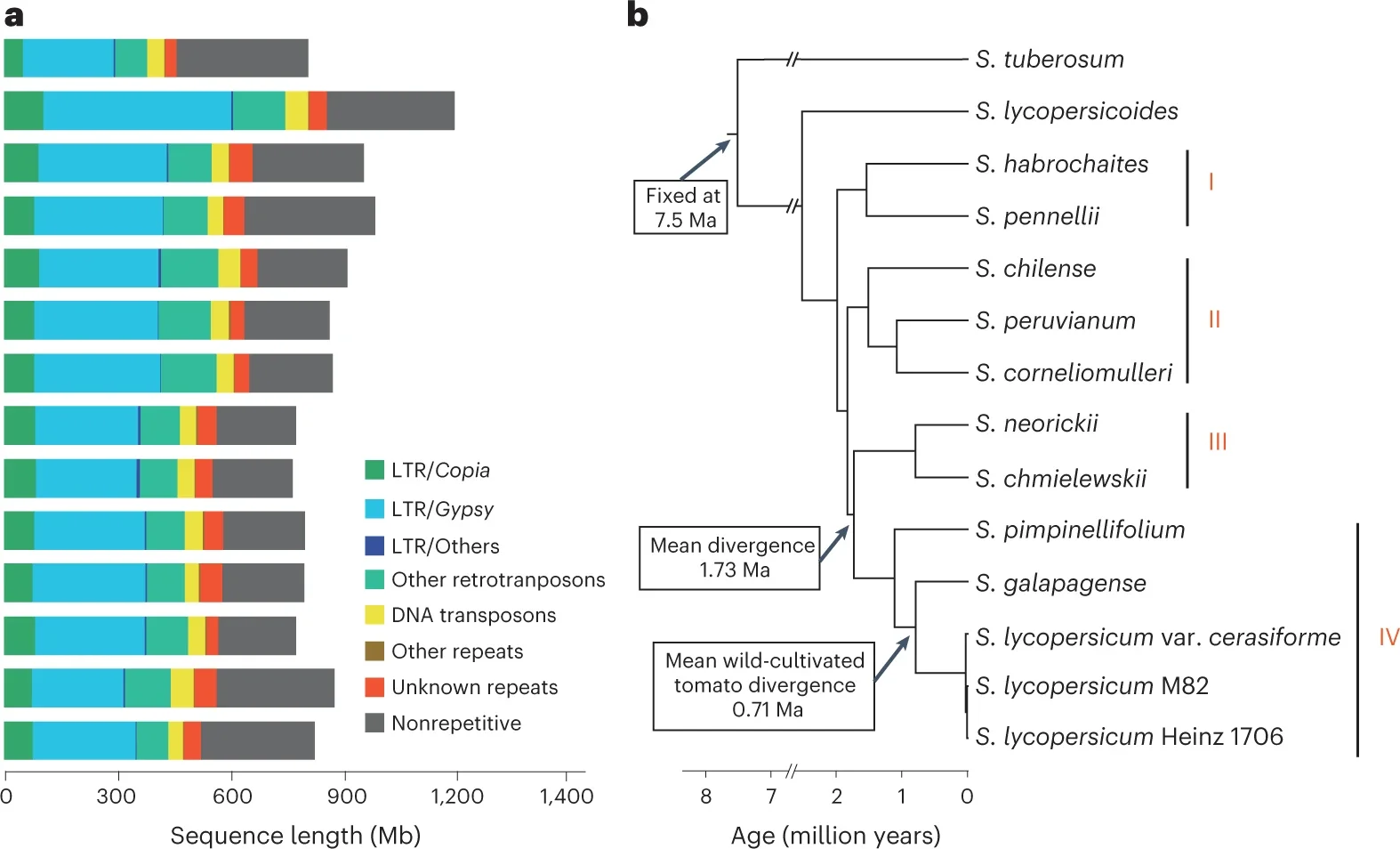
The closest related is called Solanum pimpinellifolium (Currant tomato) which phylogenetic studies show is the common ancestor of all cultivated tomatoes. Click image for link to source: Li et al. 2023 Super-pangenome analyses highlight genomic diversity and structural variation across wild and cultivated tomato species. Nature Genetics. 55: 852-860.
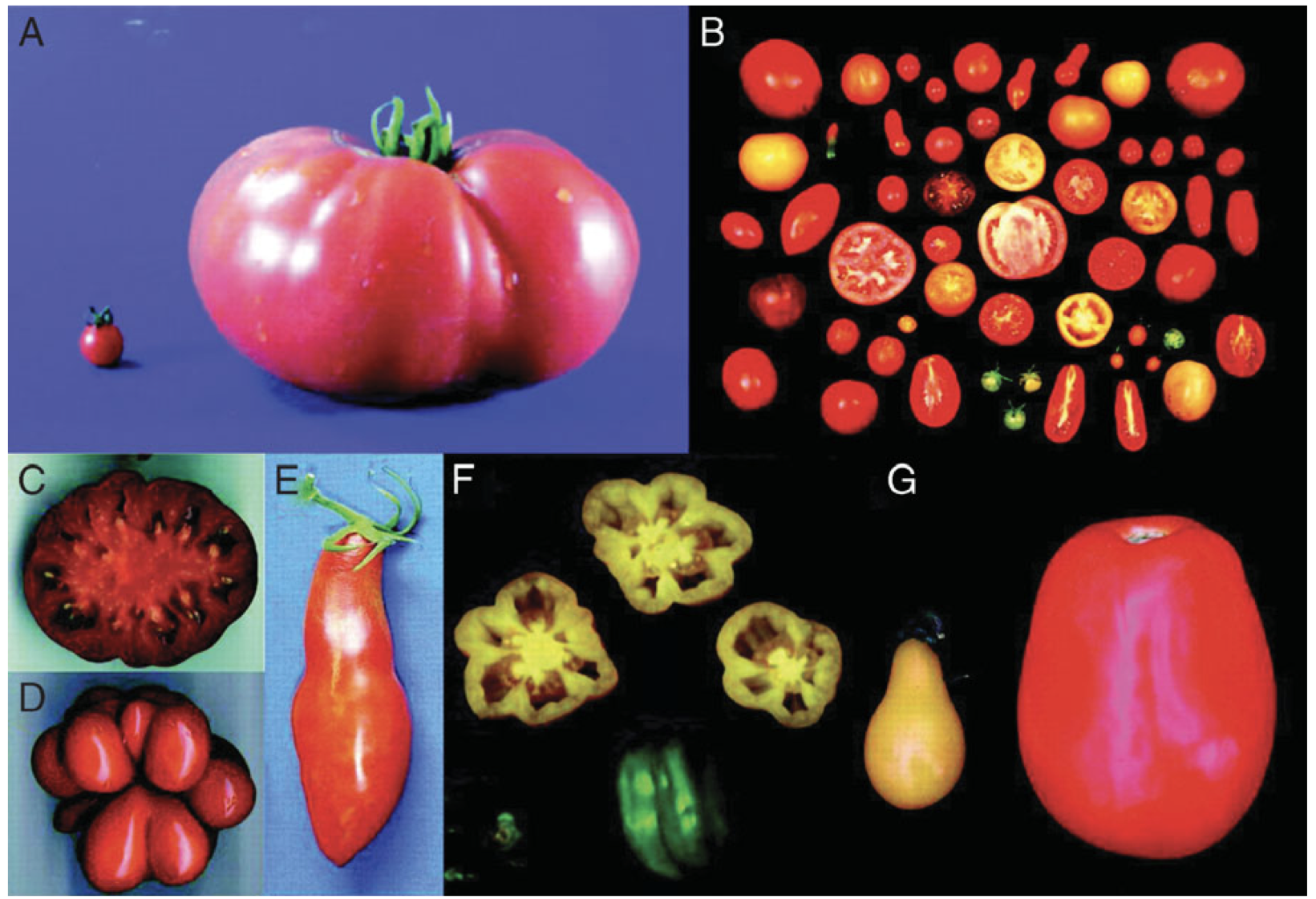
Solanum pimpinellofolium compared to an heirloom type. Through domestication and selection for certain traits they become bigger, but also lost genetic diversity through the “genetic bottleneck.” Tanksley SD. 2004. The Plant Cell 16 S181-S189
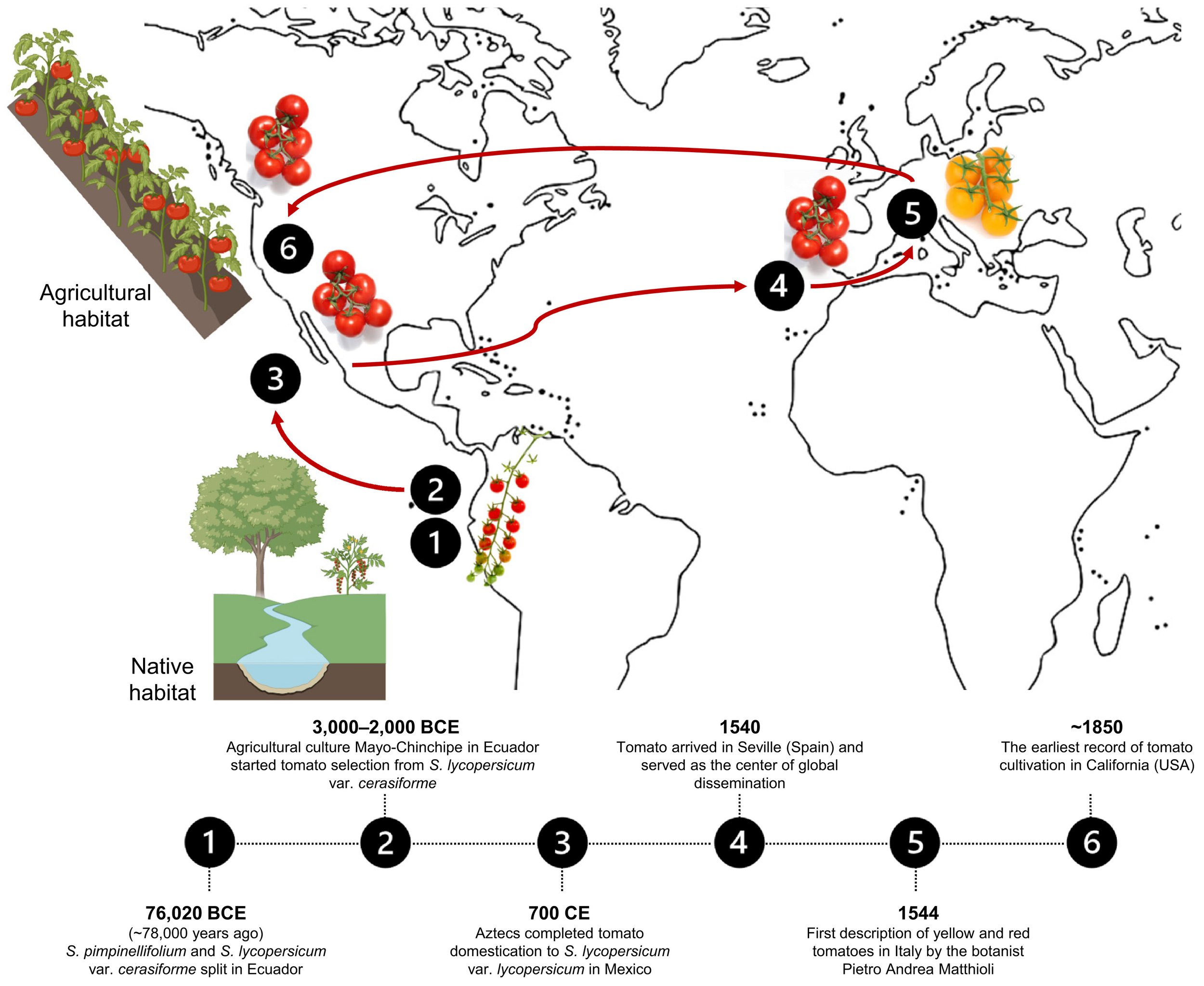
This shows the tomato's journey of domestication, first in Mexico for thousands of years, then in Europe from the 1500s to 1800s, and then back to North America. Click image for link to source: Flores et al. 2023. The Tomato's Tale: Exploring Taxonomy, Biogeography, Domestication, and Microbiome for Enhanced Resilience. Phytobiomes journal 8: 5-20
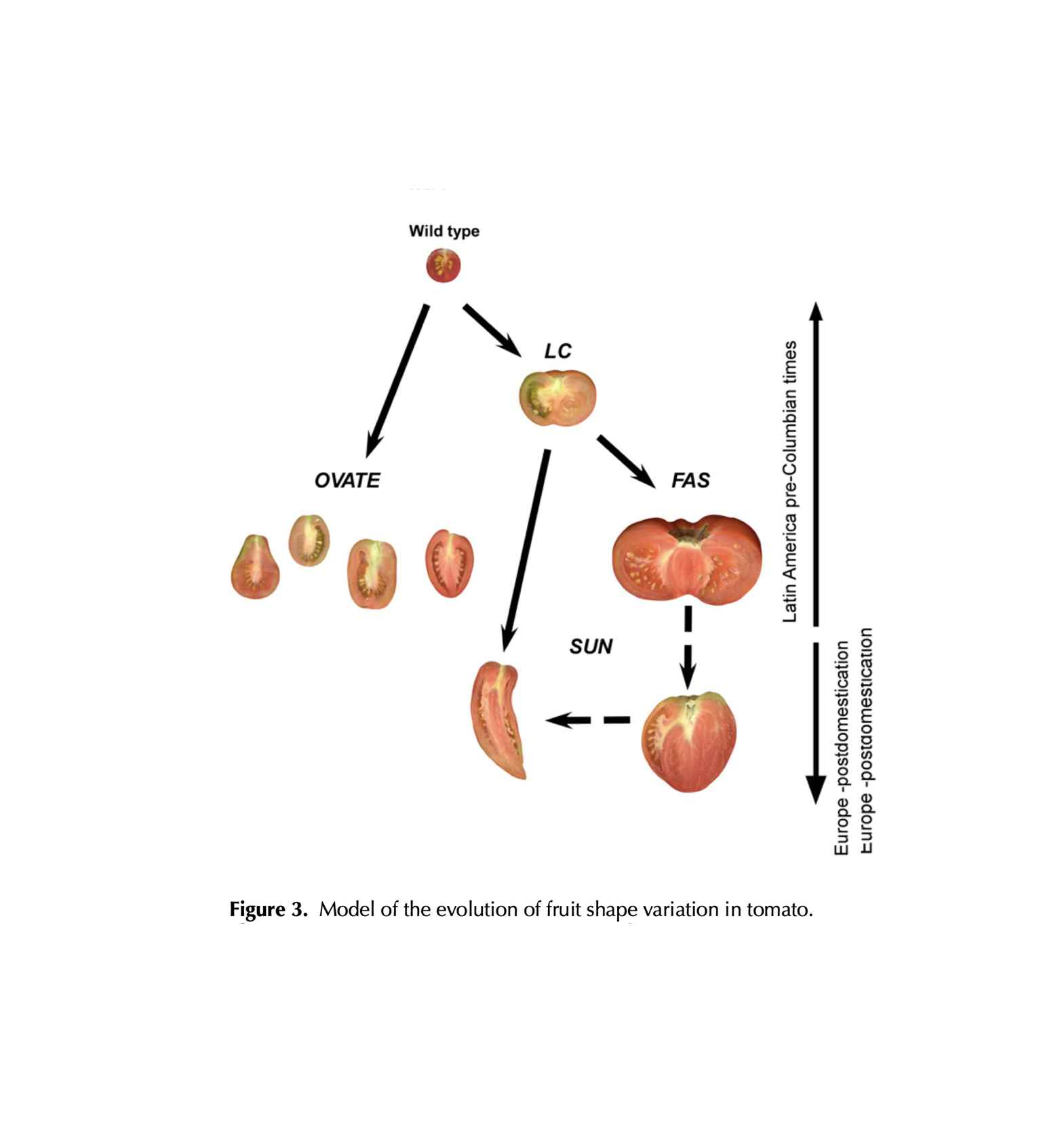
The shapes of possible tomatoes expanded through domestication. Heart tomatoes have the (sun) gene elongating them (developed through European domestication) and (fas) gene combining their carpels. Click image for link to source: Rodriguez et al. 2011. Distribution of SUN, OVATE, LC, and FAS in the Tomato Germplasm and the Relationship to Fruit Shape Diversity. Plant Physiology, Volume 156, Issue 1, Pages 275–285,
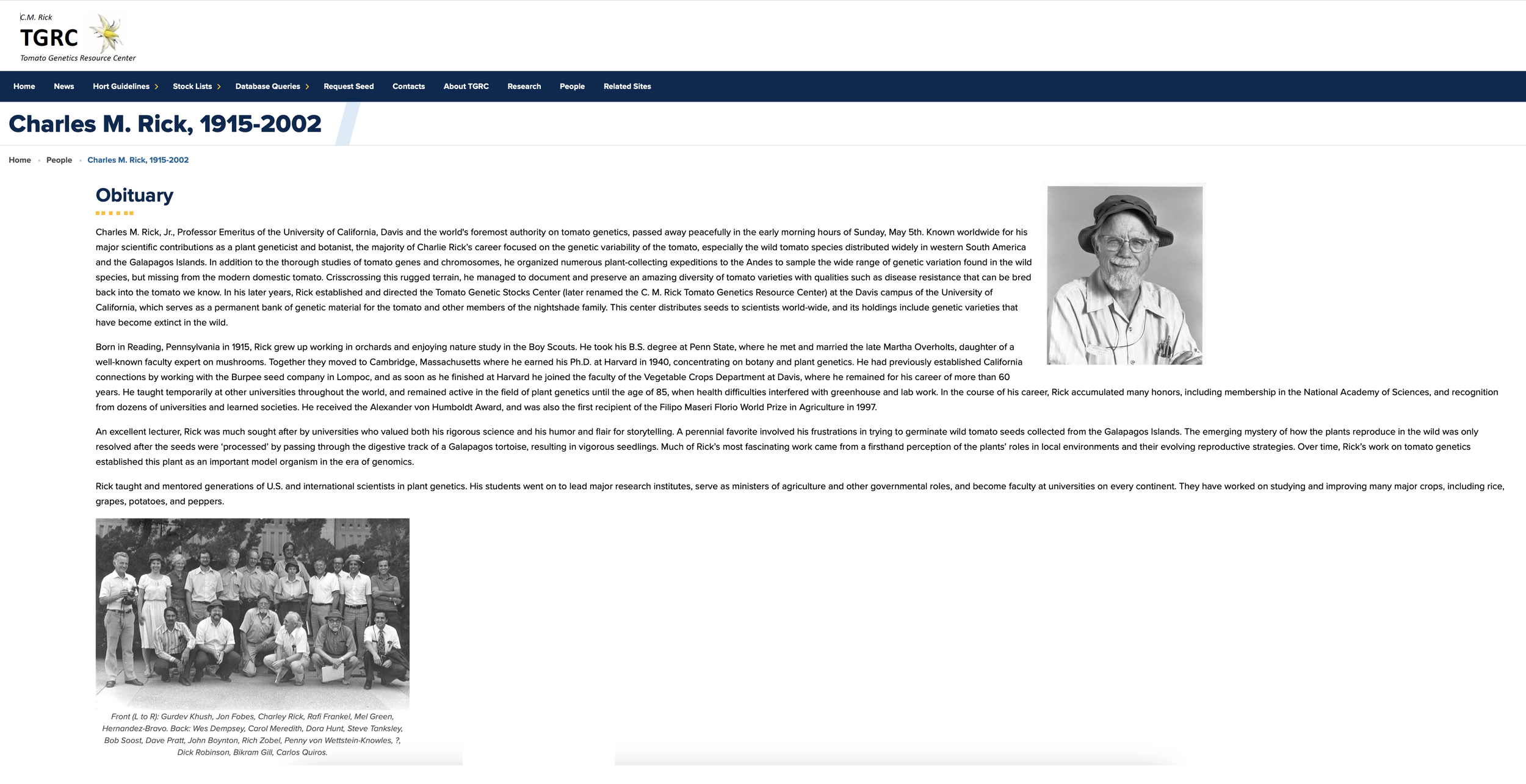
Charles Rick really opened the door to incorporating wild species genes into tomatoes and to understanding tomato genetics. He went out and collected those wild relatives and helped figure out how to cross-breed their genes into tomatoes. Click image for link to source:
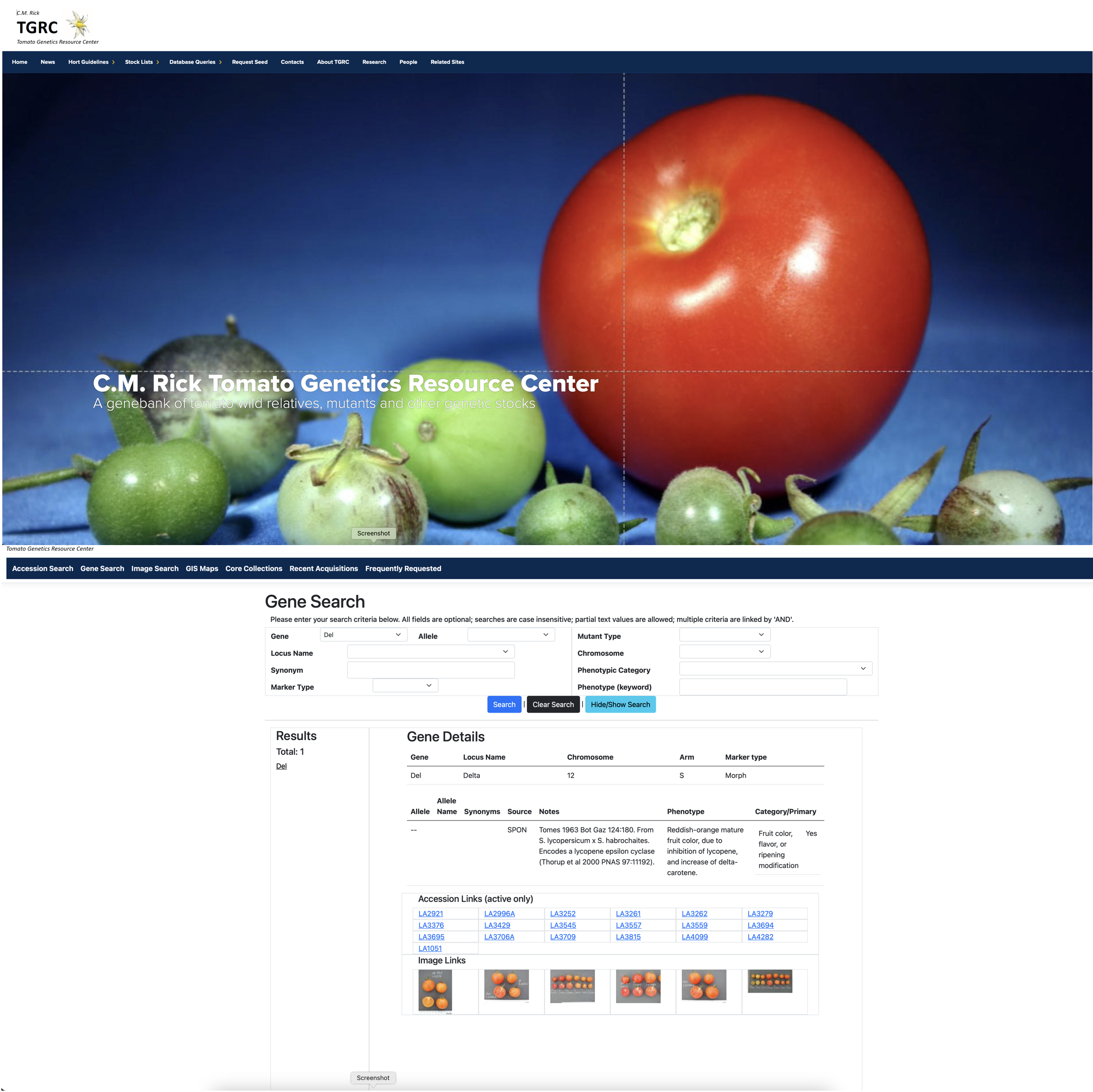
His collection is maintained as a resource for tomato breeding to this day at the UC Davis C.M. Rick Tomato Genetics Resource Center. Click image for link to source:
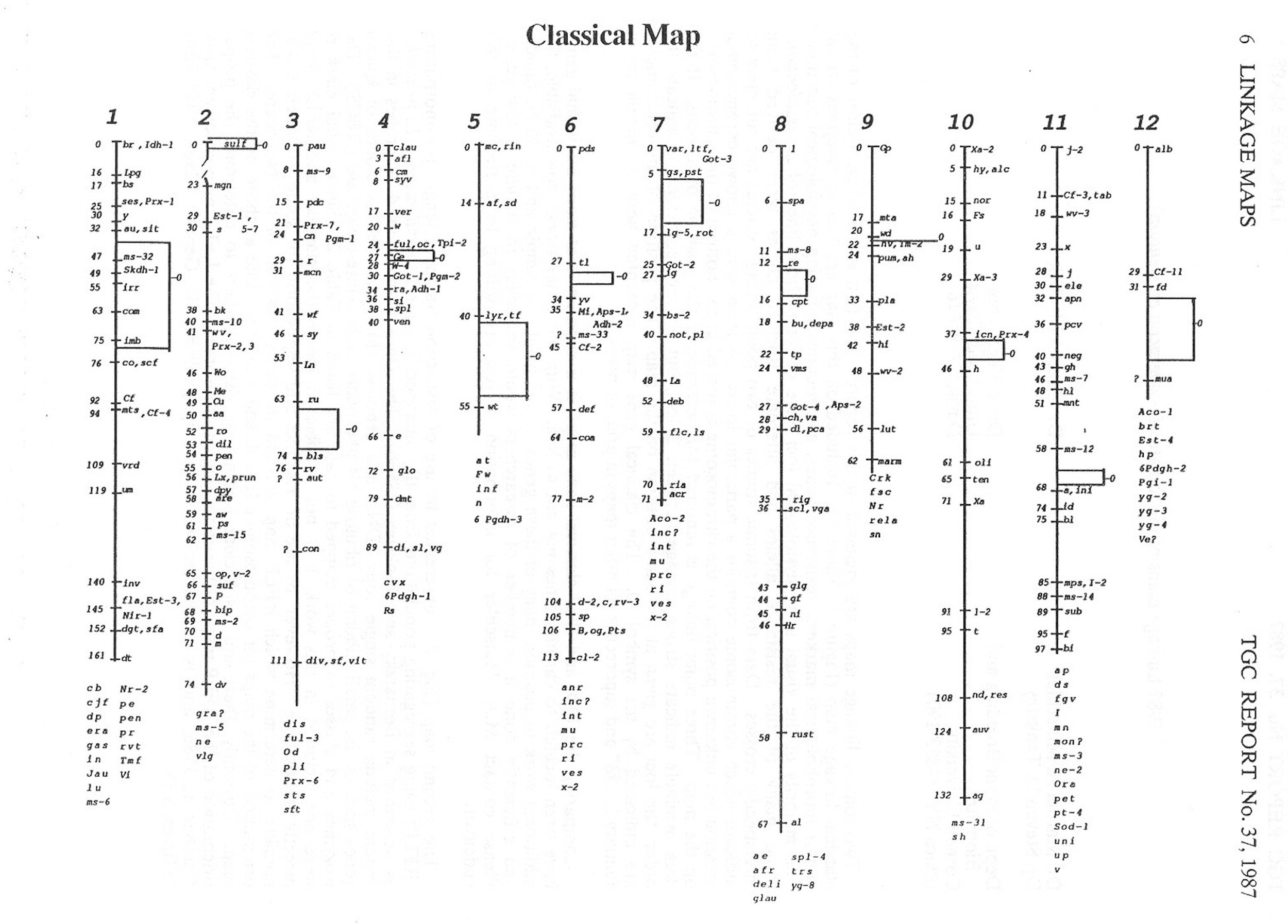
The tomato contains 12 chromosomes, and thanks to the pioneering work of Charles Rick and so many others, the location of many genes are well-documented (some locations have been refined since; from TGC Report No. 37, 1987)
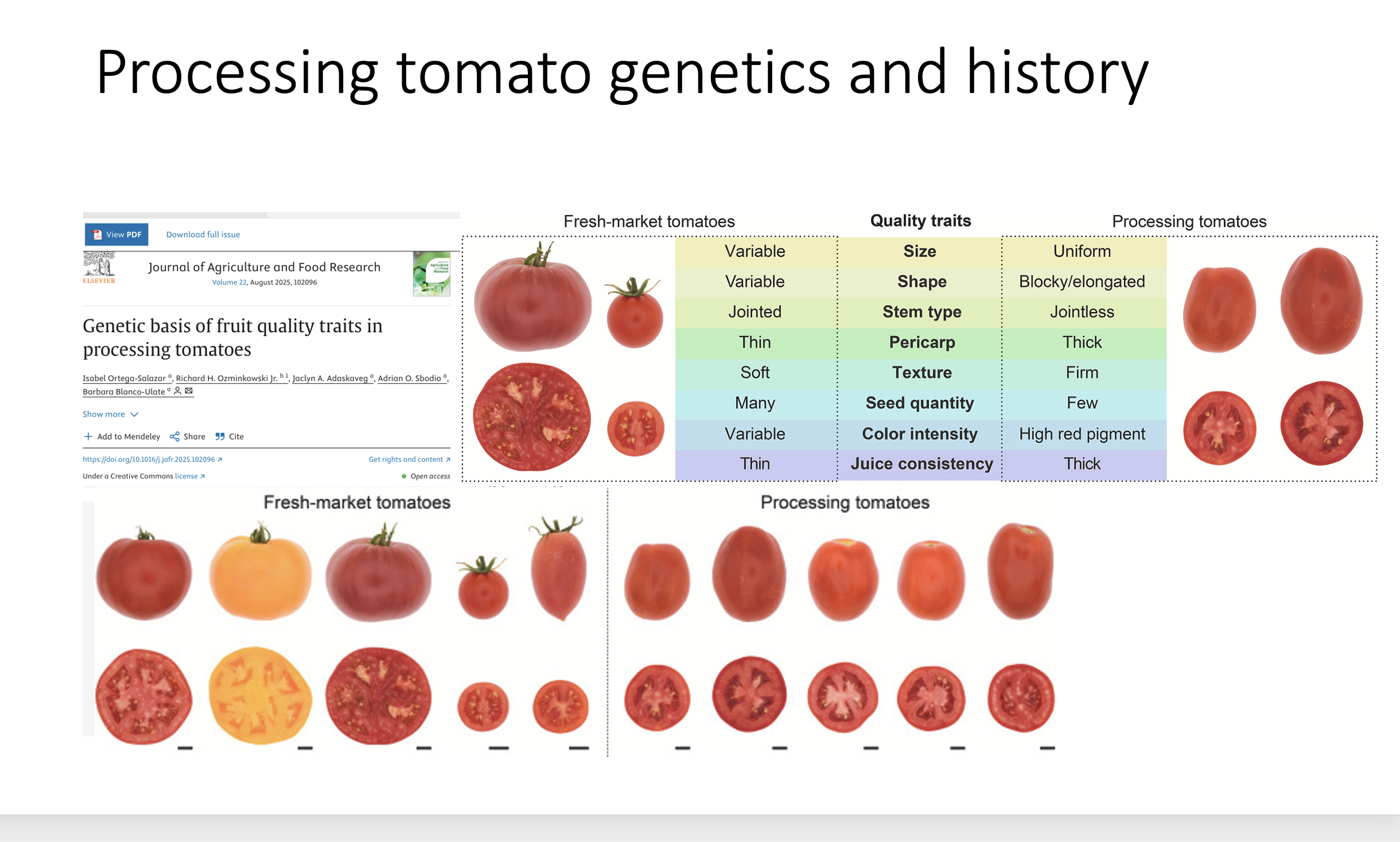
One of the main things Charles Rick and others did with the wild relative genetics was to improve processing tomatoes. They diverged into their own type that is distinctly different from fresh-market tomatoes (which includes heirlooms and modern hybrids) Click image for link to source:
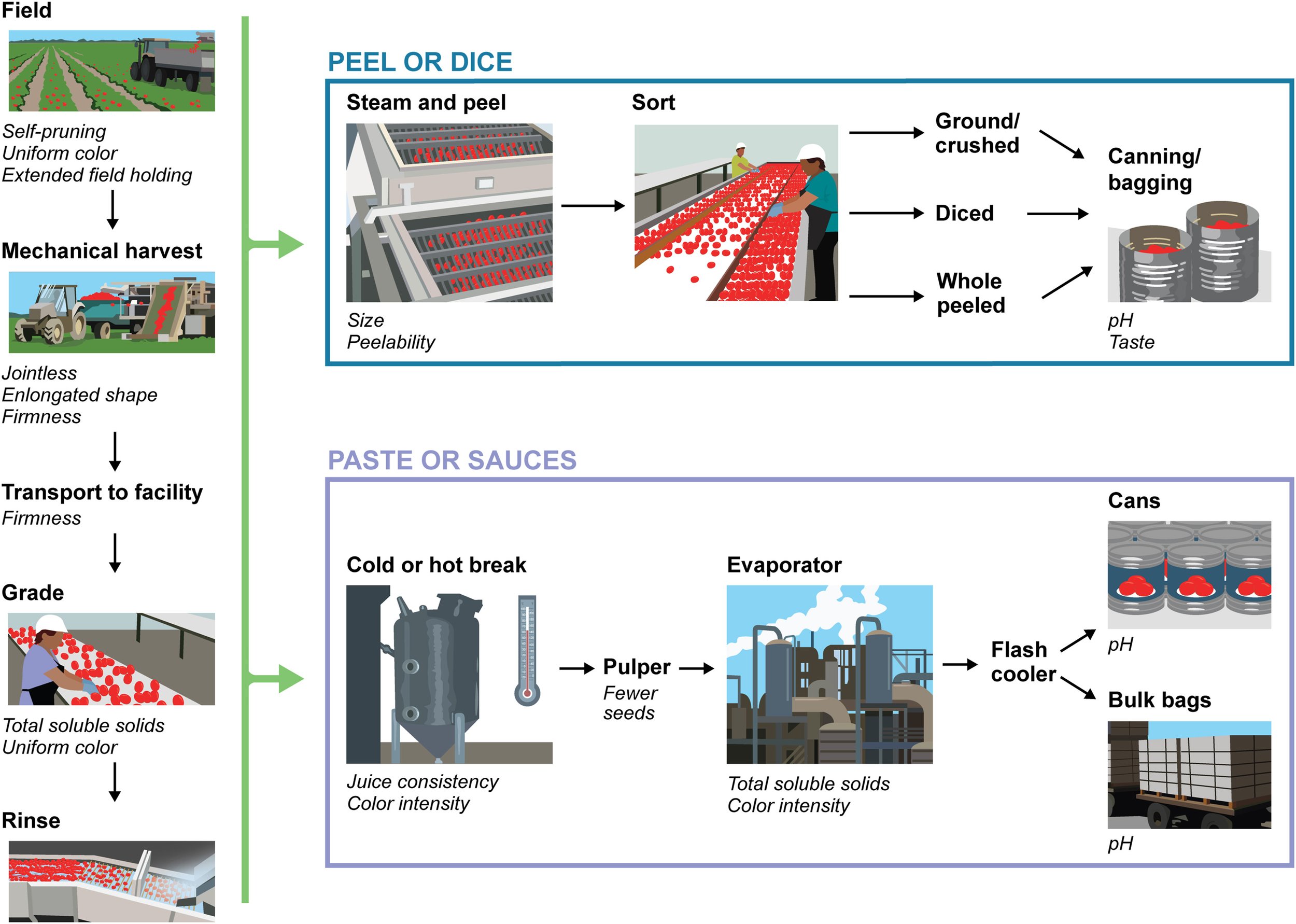
In 1940 San Joaquin county became the number one county in the US in canning tomato production, due to climate and soil. Through advances in incorporating wild relative genes for disease resistance and productivity and harvestability and more recently through advances in irrigation with subsurface drip, the yield per acre has quintupled. Yields: 1940: 10 tons/acre 1960: 17 tons/acre 1980: 24 tons/acre 2024: 50 tons/acre Click image for link to source:
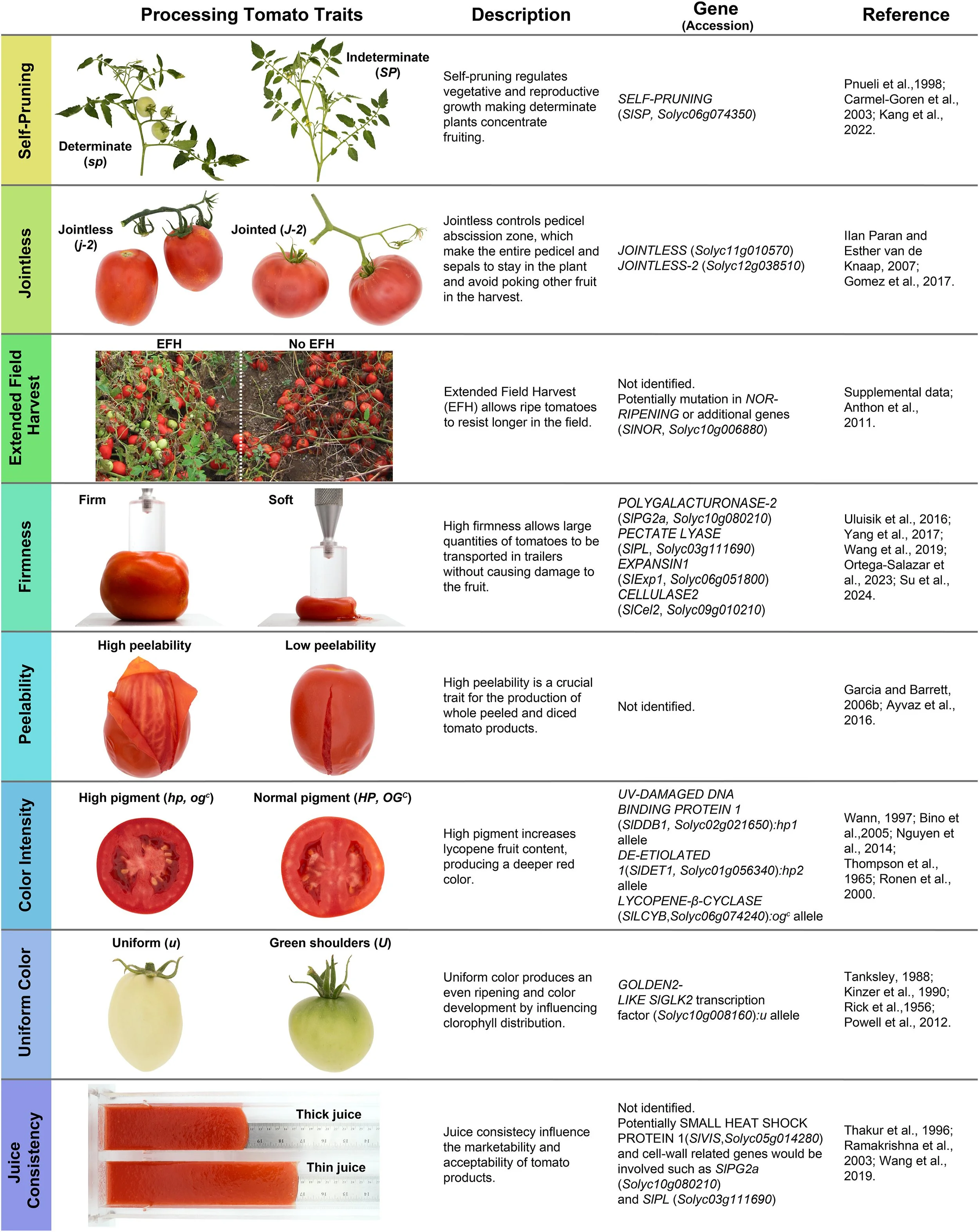
Tomatoes are more adaptable to climate change than many crops, and with the availability of the wild relative genes and breeding programs, likely to continue being adapted in even more extreme environments. Some of these genes are relevant to all tomato breeders, like disease resistance and shapes, and drought tolerance, others are desirable only for processing tomatoes. Besides vastly improving processing tomatoes, Charles Rick contributed to the understanding of tomato genetics in general, which we will get to later, but first back to heirlooms. Click image for link to source:
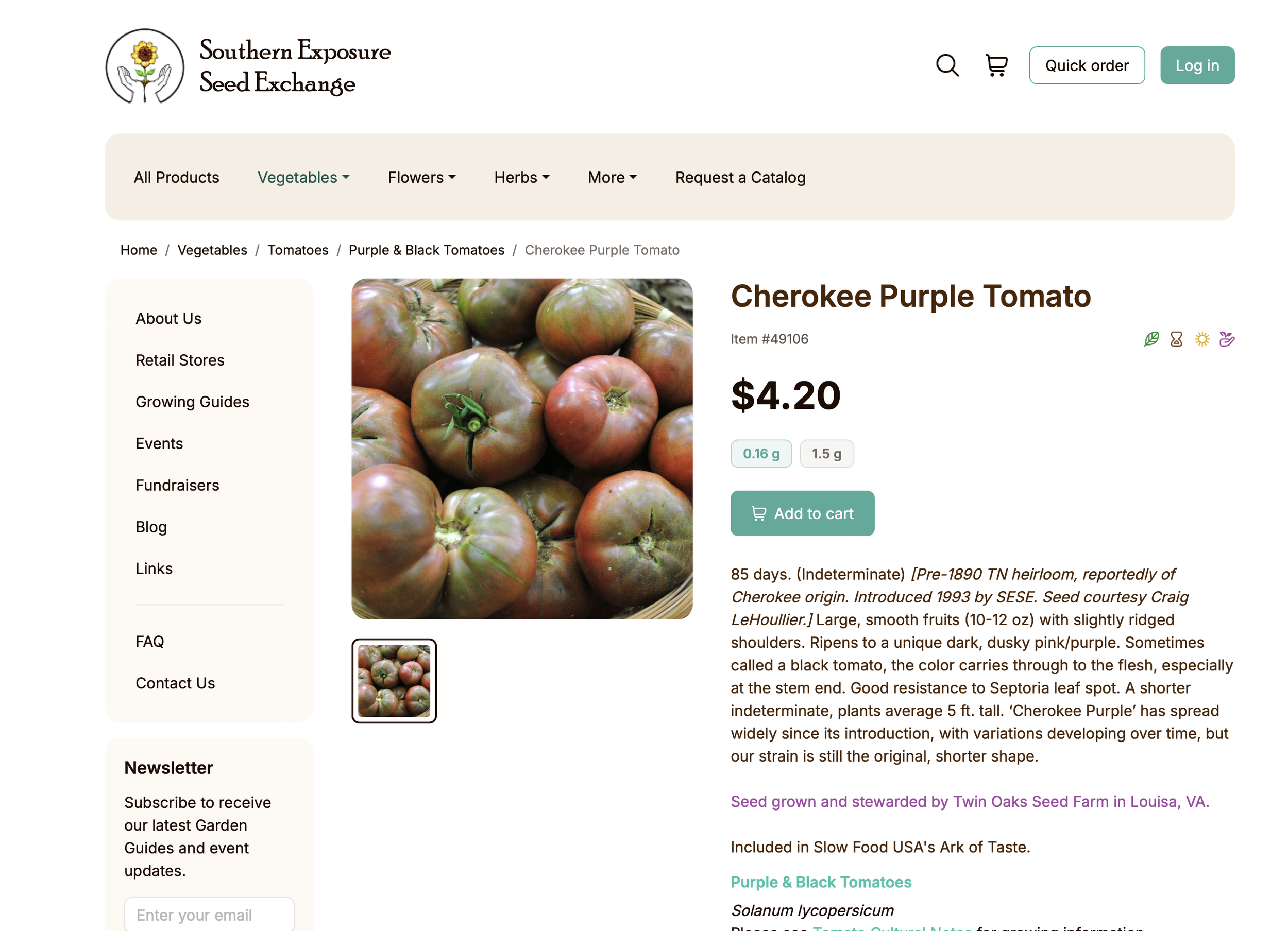
Fresh market tomatoes include heirlooms and open-pollinated ("modern heirlooms") as well as modern hybrids. Heirlooms were passed down through generations, some for over a hundred years, like the famous Cherokee Purple. The flavor and vigor are so good, that it has been used as a parent for many other varieties, such as Berkeley Tie-Dye, Orange Caprese, Elgin Pink, Purple Haze, among many others.
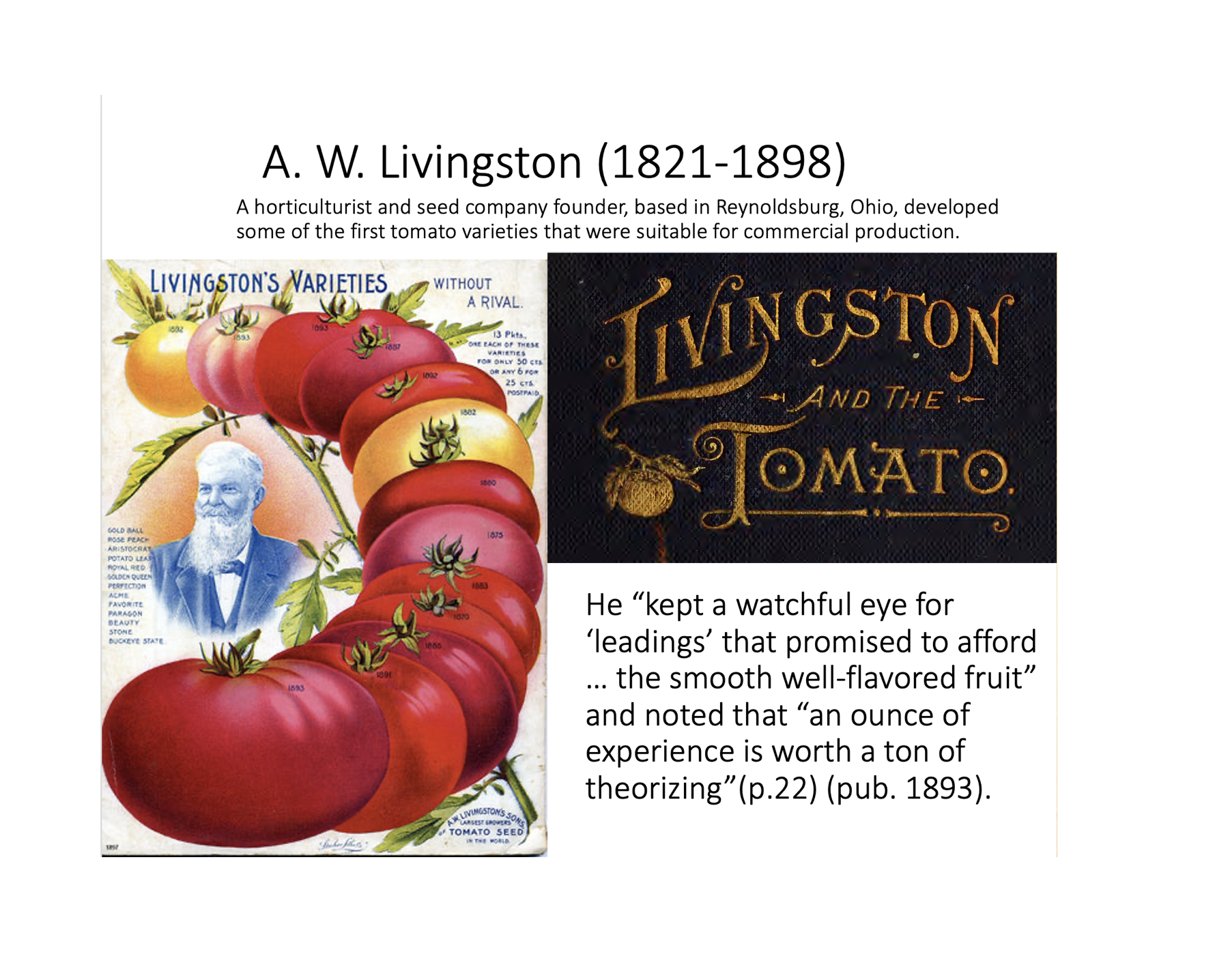
In the 1800s, many heirlooms were being saved, Mortgage Lifter, Cherokee Purple, Amish Paste, etc. that would later be widely shared especially in the 1980s onward by folks like William Woys Weaver, Carloyn Male, Craig LeHoullier. Many varieties were lost, but many are still available. Alexander Livingston was doing a kind of selection similar to heirloom selection (saving seeds from the best, most vigor, most flavorful) but looking for natural mutations that had new traits like roundness and smoothness. He wrote in his book Livingston and the Tomato (1893): “I can repeat the process at will, securing new varieties which will again produce after their kind; and, at least, under my cultivation, will never deteriorate, or ‘run out.’ For they are original, distinct varieties, and will bring forth their like, as will anything else; and they are as capable of being cultivated into ‘strains’ as are those of cattle, hogs, chickens, or other plants and fruits of distinct kinds" (p 22). Just imagine if he realized that he could crossbreed them with each other and with their wild relatives, all the varieties he could have made. But still, up to half of modern production tomatoes trace their lineage to his creations, including Marglobe and Rutgers. Click image for link to Victory Seeds further information about Livingston and the project to make his varieties available again:
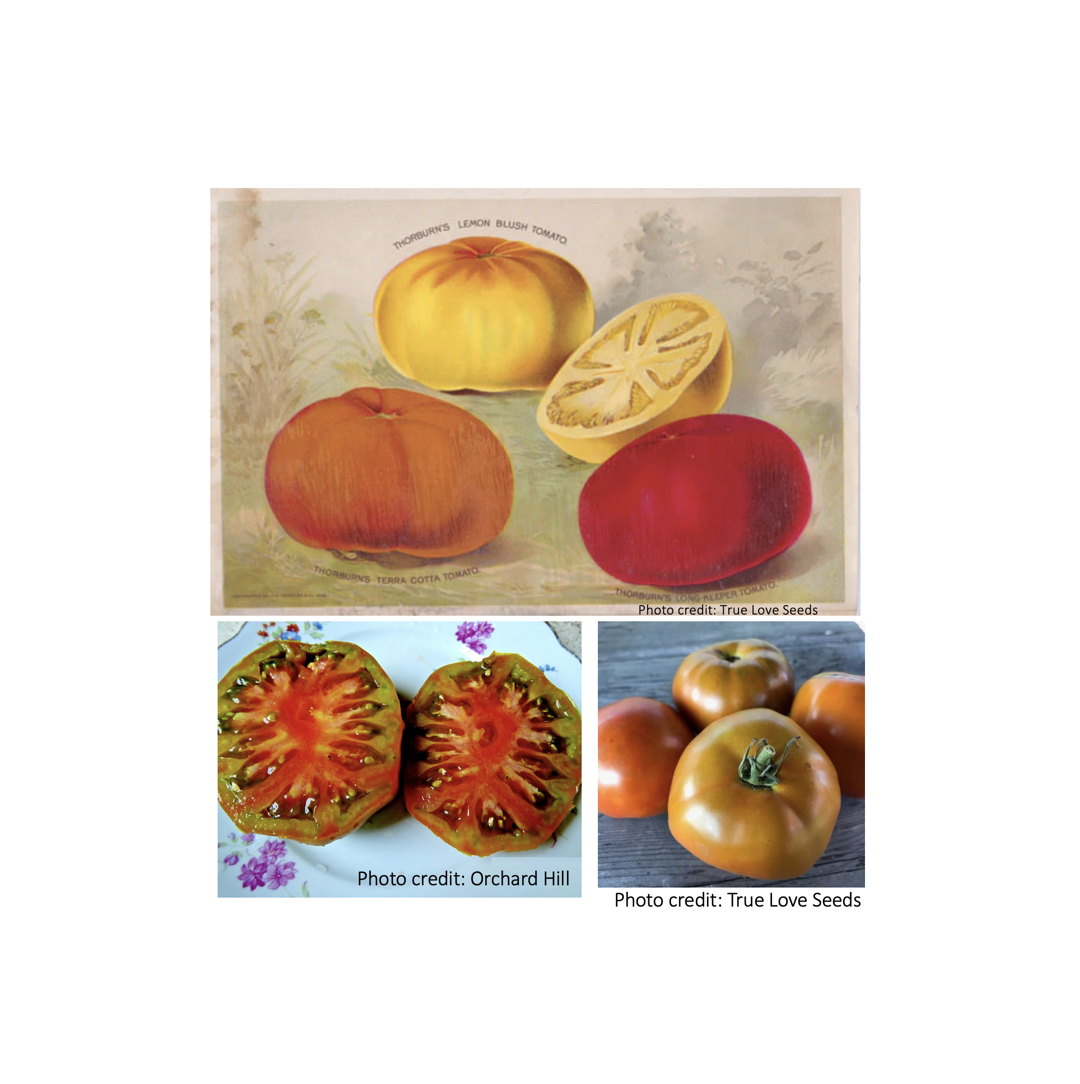
Thorburn’s Terra-Cotta 1893 Here is an example of an old heirloom recently made available. From different vendors there seems to be many subtle variations in color and locular cavity.
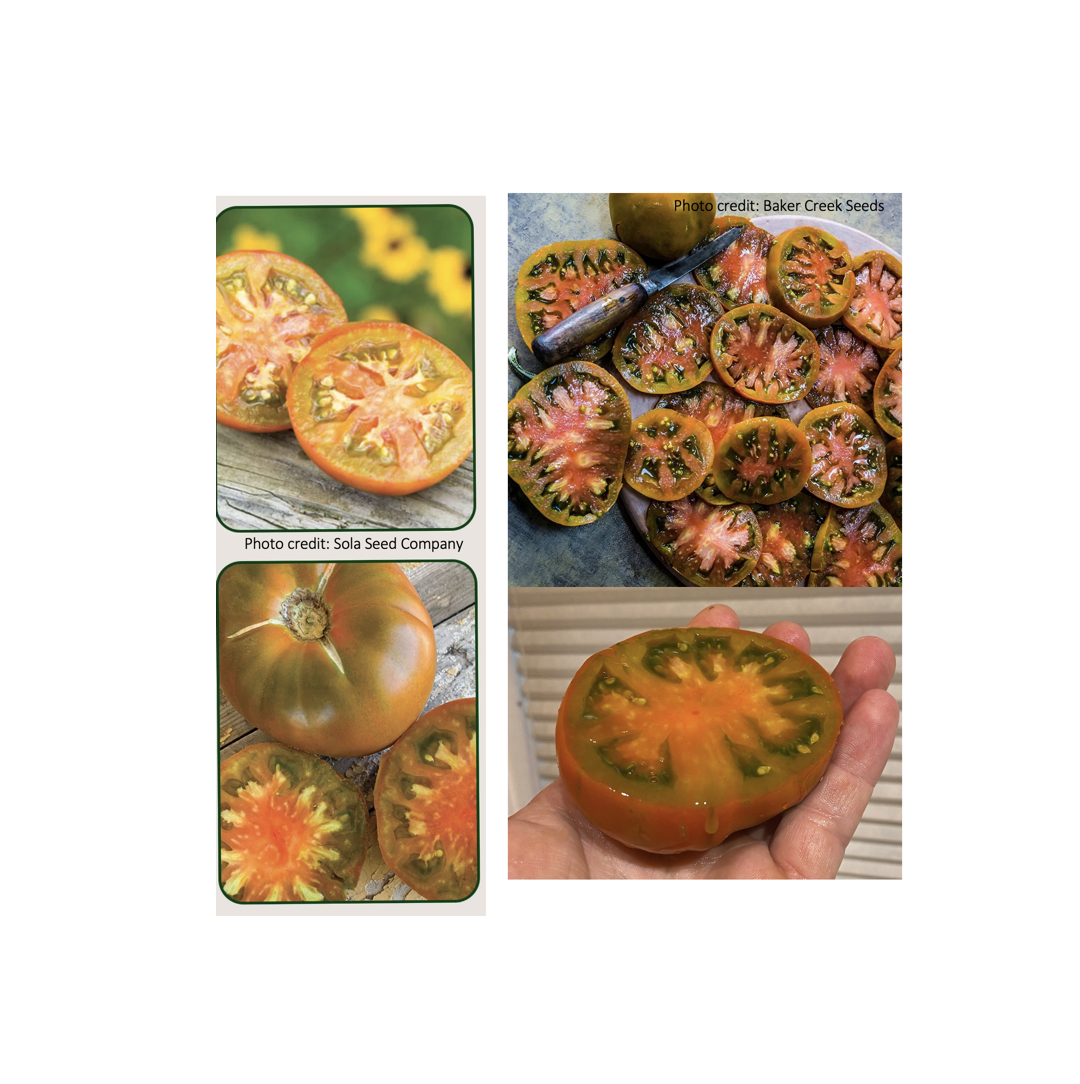
You might ask which is the real one? And then another question is which grows best and tastes best?
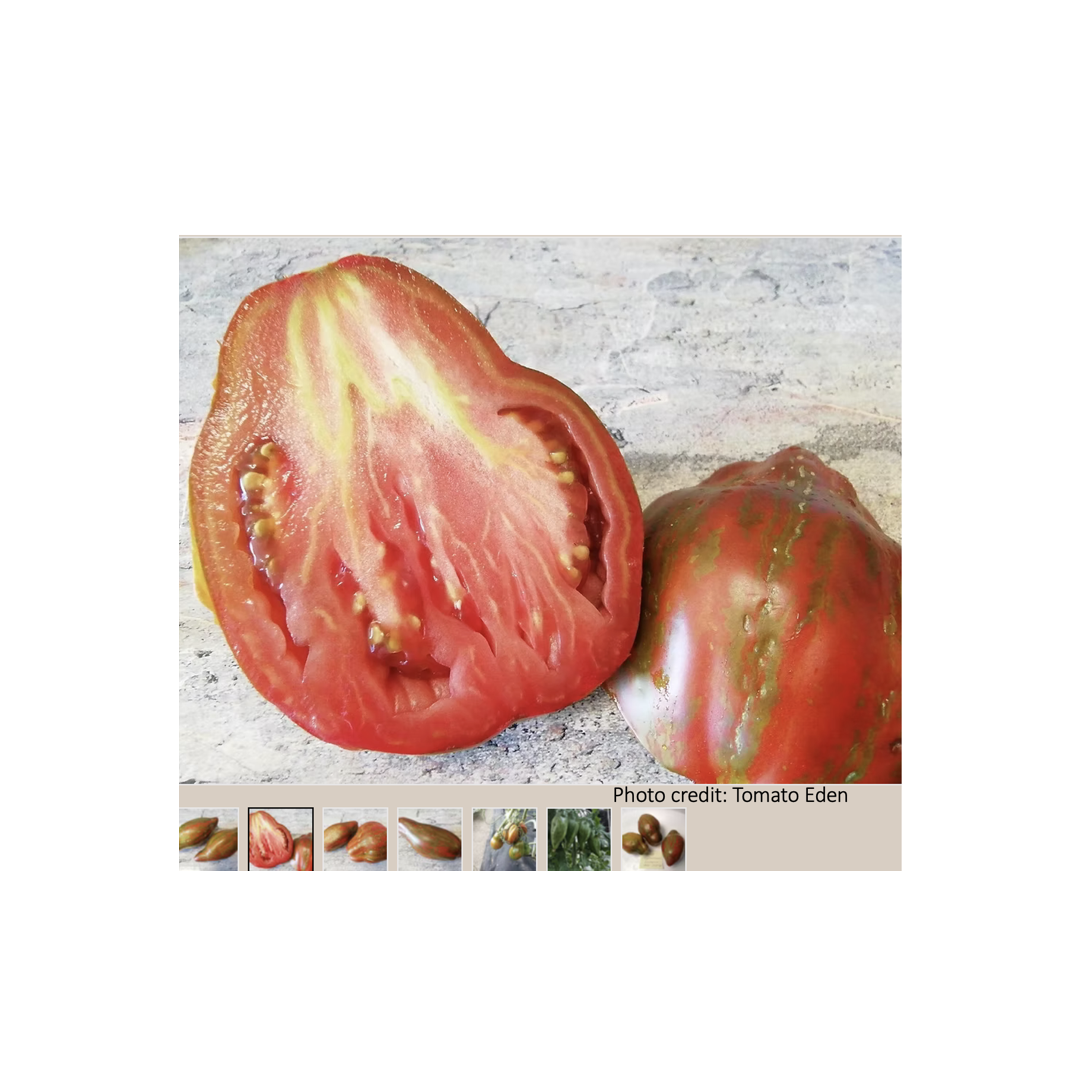
Here is another example of a variety that looks different from different sources: Which one is the real “Cuban Salami”?
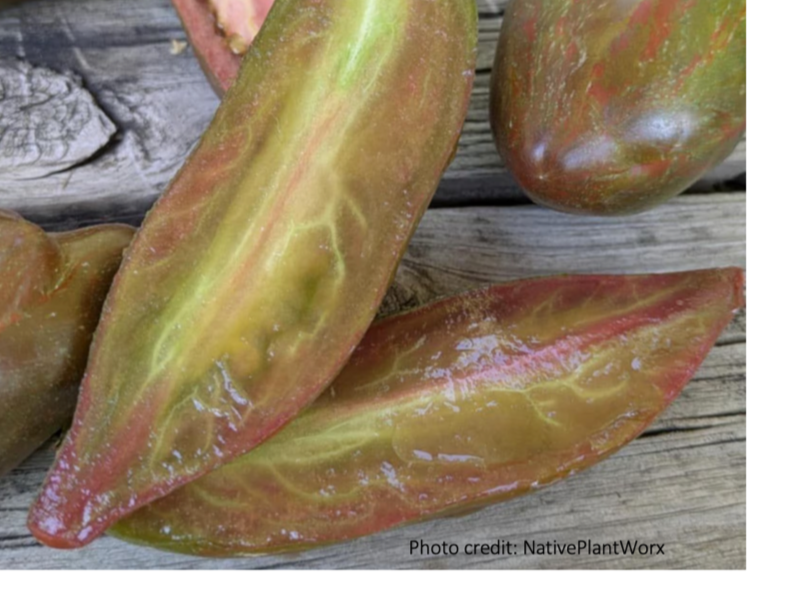
Besides adapting varieties to your taste and climate, saving your own seeds also ensures that you keep growing the exact variety you want, as long as you keep careful records yourself!